
Adding new plants to your landscape is an investment in both beauty and long-term property value. But without proper watering, even the healthiest plants can struggle to establish. Whether you’ve recently installed trees, shrubs, or flowers, how you water in the first few weeks and months makes all the difference.
Here at Aqua Lawn we want to ensure any new plantings you invested in this year will thrive all summer with these 7 professional tips:
1. Deep Watering
New plants need water to reach their entire root ball, not just the surface. Light, frequent watering can lead to shallow roots, making plants more vulnerable to heat and drought.
Instead, focus on deep watering that penetrates the soil and encourages roots to grow downward. This helps plants become stronger and more resilient over time.
2. Adjust for Plant Type
Not all plants have the same watering needs.
- Trees and shrubs need slower, deeper watering
- Annuals and perennials require more frequent, lighter watering
- New sod or seed need consistent moisture to establish properly
If you’re unsure, it’s always better to ask or have your irrigation system tailored to each zone.
3. Water Early in the Morning
The best time to water is early in the morning. This reduces evaporation and allows plants to absorb moisture before the heat of the day.
Watering in the evening can sometimes lead to excess moisture sitting overnight, which may increase the risk of disease.
4. Keep the Root Zone Moist
For the first few weeks after planting, the goal is to keep the root zone consistently moist without overwatering or saturating the soil.
A good rule of thumb is to check the soil a few inches below the surface. If it feels dry, it’s time to water; if it’s still damp, you can wait. Overwatering can be just as harmful as underwatering.
5. Use Mulch to Your Advantage
Mulch is one of the best tools for supporting new plantings. It helps retain soil moisture, regulates soil temperature, and reduces weed competition. Apply a 2–3 inch layer around plants, keeping it a few inches away from the base to prevent rot.
6. Monitor and Adjust Your Irrigation System
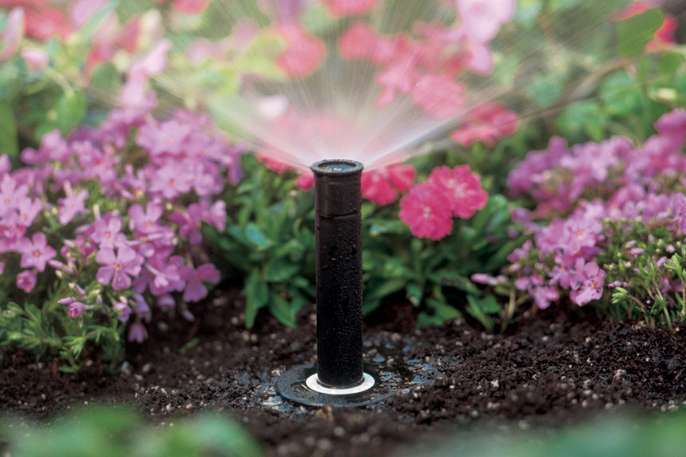
If you have an irrigation system, it’s important to adjust it for new plantings. Newly installed landscapes often need different watering schedules than established areas.
Drip irrigation or targeted zones can be especially effective for delivering water directly where it’s needed without waste.
7. Looking for Signs of Stress
Your plants will tell you when something isn’t right. Keep an eye out for: wilting/drooping leaves, yellowing foliage, or dry/cracking soil. Catching these signs early allows you to adjust your watering before lasting damage occurs.
Proper watering is the foundation of healthy plant growth. With the right approach, your new plantings will establish faster, require less maintenance, and thrive for years to come.
If you’re unsure whether your irrigation system is optimized for new plantings, a professional inspection or adjustment can make all the difference. Getting it right from the start helps protect your investment and keeps your landscape looking its best. If you haven’t invested yet in an automatic sprinkler system, or you need your current system checked reach out today!